Mountains Chain Travel Private Limited Blog Listing
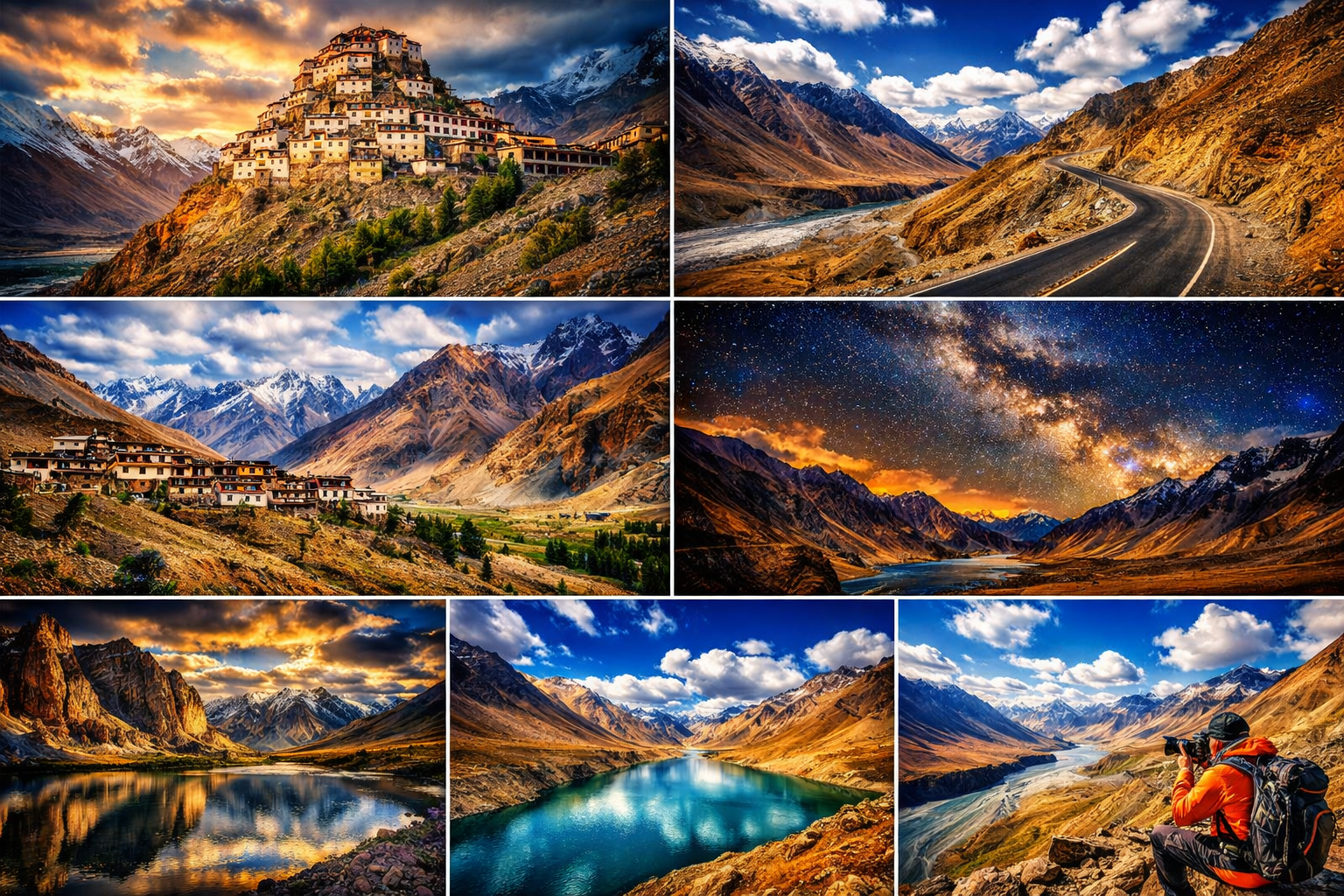
Spiti Valley feels like a world carved out of stone, wind, and sky. Located high in the Himalayas of Himachal Pradesh, this remote region is known for its stark beauty and quiet rhythm of life. Unlike crowded hill stations, Spiti invites travelers to slow down, breathe deeper, and observe nature in its rawest form. With ancient monasteries perched on cliffs and villages surviving against extreme weather, Spiti is a place where simplicity becomes powerful.
The Geography of Spiti Valley
Spiti Valley sits at an average altitude of more than 12,000 feet, surrounded by barren mountains shaped by centuries of wind and snow. The Spiti River flows through the valley, giving life to small settlements scattered across the landscape. Due to its high elevation and cold desert climate, vegetation is minimal, creating dramatic contrasts between earth-toned mountains and bright blue skies.
When to Visit Spiti Valley
Travel to Spiti is possible mainly between late spring and early autumn. During this period, mountain passes open and the weather remains stable for road travel. Summers are cool during the day and cold at night, while autumn offers clear visibility and fewer tourists. Winters are extremely harsh, with temperatures dropping well below freezing and road access becoming limited.
Villages That Define Spiti
Kaza: The administrative center and main base for travelers.
Langza: A quiet village known for fossils and wide valley views.
Komic: Among the highest villages in the world connected by a motorable road.
Dhankar: Famous for its dramatic cliffside monastery and ancient fort ruins.
Monasteries and Spiritual Life
Buddhist monasteries play a central role in daily life in Spiti. Structures like Key Monastery are not only places of worship but also centers of learning and community gatherings. Prayer wheels, chants, and colorful flags reflect a spiritual lifestyle deeply connected to nature.
Road Journey to Spiti Valley
Reaching Spiti Valley is an adventure that tests patience and rewards courage. Routes from Shimla or Manali take travelers across narrow mountain roads, river crossings, and high passes. The journey offers constantly changing scenery, making the road trip as meaningful as the destination itself.
Local Food and Lifestyle
Food in Spiti is simple, warm, and nourishing. Meals often include barley-based dishes, lentils, vegetables, and Tibetan influences like momos and thukpa. Life here revolves around seasons, farming, and community, showcasing resilience in one of India’s toughest climates.
Spiti Valley is not about luxury or comfort—it’s about perspective. The silence of the mountains, the strength of its people, and the simplicity of daily life leave a lasting impact on anyone who visits. For travelers seeking authenticity, reflection, and untamed Himalayan beauty, Spiti Valley offers an experience that feels both humbling and unforgettable.